Why is my Gas Bill High in Summer? (The Fixed Charge Trap)
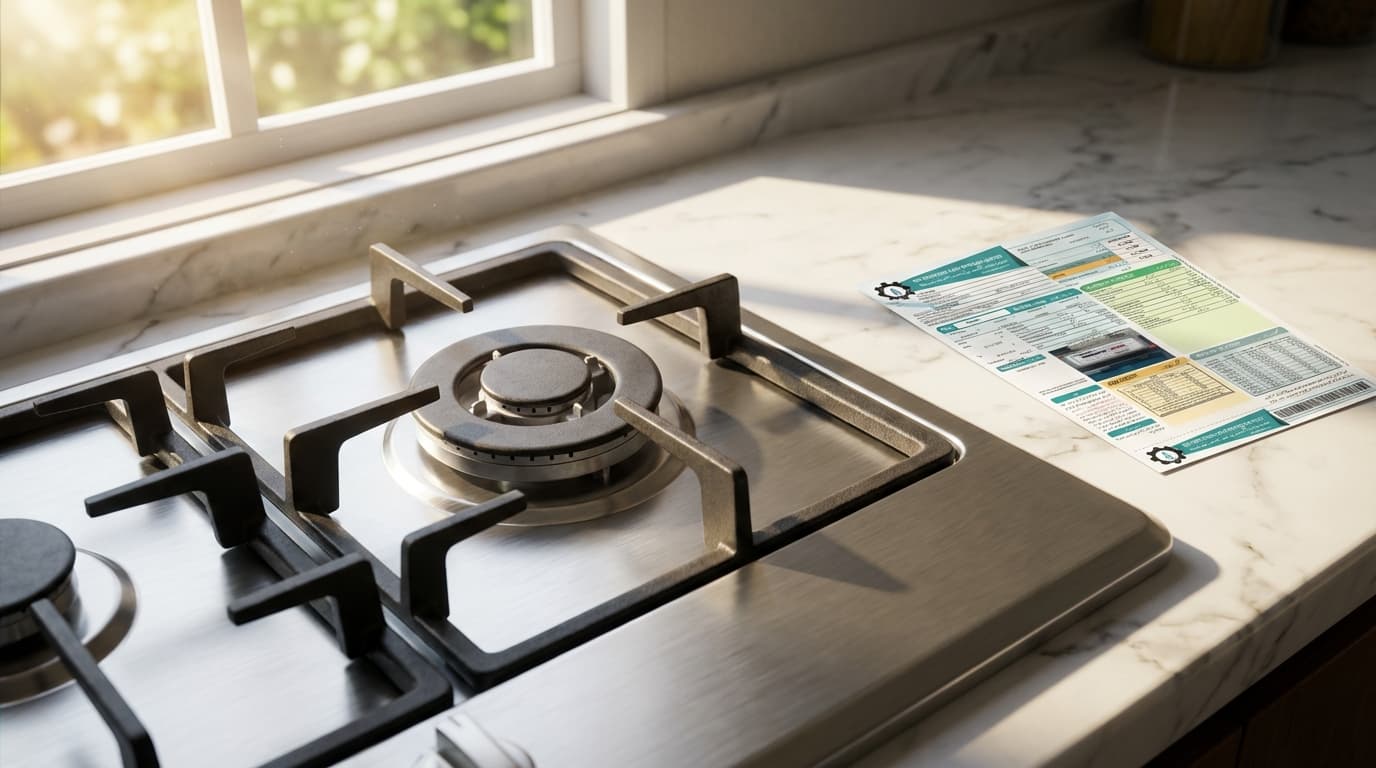
It is June. It is 45°C outside. You haven't turned on your gas heater in months. Your geyser is off. You barely cooked anything. Yet, the bill arrives, and it is Rs. 2,000. How is this possible?
This is one of the most common complaints among SNGPL and SSGC consumers. In many cases, the reason comes down to your annual protected/non-protected category and the Fixed Monthly Charges. However, other factors like estimated billing, previous balance, or billing adjustments can also increase your bill.
Source check
Last checked: June 4, 2026. Fixed charges and meter rent were checked against public SSGC, OGRA, and SNGPL tariff references; rates can change through later notifications.
The Myth of "Pay for what you use"
In the past, if you didn't use gas, your bill was often negligible compared with today's bills. That changed as fixed charges increased sharply in recent tariff updates. Now, a significant portion of your bill can be a Fixed Charge, even when your actual gas consumption is low.
The Non-Protected Fixed Charge Trap
If you were classified as a Non-Protected Consumer based on your average consumption last winter (Nov-Feb), your monthly fixed charge is much higher than a Protected consumer's bill. The exact non-protected fixed charge depends on the applicable consumption tier for the bill. Learn more about the 0.9 hm³ Protected Status rules here.
Non-Protected Fixed Charges (2026):
- Protected: Rs. 600 / month
- Non-Protected, up to 1.5 hm³ consumption: Rs. 1,500 / month
- Non-Protected, above 1.5 hm³ consumption: Rs. 3,000 / month
This means even if your meter reading is very low in July, SNGPL/SSGC can still charge a non-protected fixed charge plus meter rent and taxes. In many low-usage summer cases, the relevant non-protected fixed charge is Rs. 1,500 rather than Rs. 3,000, because the higher fixed charge applies when consumption exceeds the 1.5 hm³ tier.
For official tariff references, see OGRA's consumer gas prices and notifications, the SSGC domestic rates page, and SNGPL's official tariff definition page.
Another Common Reason: Estimated or Combined Bills
Sometimes your meter is not read for one or more months. In that case, the gas company may issue an estimated or provisional bill. When the actual reading is taken later, the adjustment can make the next bill look unusually high because it may include usage that was not fully captured earlier.
This matters because combined or adjusted consumption can push a bill into a higher slab for that billing cycle. Before assuming the fixed charge is the only reason, compare the present reading on your bill with the actual meter reading and check whether there is any previous balance, adjustment, or estimated reading note.
RLNG note
In some areas, especially for newer connections, gas may be supplied under RLNG policy. RLNG is imported gas and can have different pricing from traditional system gas, so newer consumers should check the tariff/category shown on their own bill.
Real Life Scenario
Mr. Ahmed's Mistake:
In winter, Mr. Ahmed ran gas heaters heavily across multiple months. By the time November, December, January, and February were averaged, his four-month winter average crossed the 0.9 hm³ protected limit. He paid those winter bills and forgot about the category impact.
The Consequence:
Because his overall winter average crossed the protected threshold, he was categorized as Non-Protected for the year. A single heavy month by itself does not automatically prove this; the four-month winter average is what matters.
The Summer Bill:
In August, Mr. Ahmed used only 0.1 hm³ (just cooking).
Gas Cost: low
Non-Protected Fixed Charge: Rs. 1,500
Plus meter rent and taxes
Total Bill: still much higher than the gas he actually used
Want to avoid Mr. Ahmed's mistake?
Use our calculator to simulate your winter usage and see if you are safe.
Open Bill EstimatorWhat can you do?
In normal cases, you cannot manually reduce the fixed charge for the current review cycle unless there is a billing or reading correction. However, you can reduce the risk for the next review cycle.
When November starts, monitor your gas usage closely. Ensure your four-month winter average stays at or below 0.9 hm³. If you succeed, your category for the following review cycle can return to Protected, where the fixed charge is much lower at Rs. 600.
High Bill Troubleshooting Guide
If you believe your summer gas bill is unusually high even after accounting for the Non-Protected Fixed Charges, follow these steps:
- Check for Gas Leaks: A hidden leak in your pipes or appliances can slowly increase your reading. If you smell gas, call 1199 immediately.
- Compare Meter Readings: Go to your physical gas meter and verify if the "Present Reading" on your bill matches the actual numbers on the dial. Sometimes, estimated readings lead to overbilling.
- Check Appliance Efficiency: Old geysers with pilot lights left running all summer consume a surprising amount of gas. Turn them off completely.
- File a Complaint: If you suspect a faulty meter or an incorrect reading, contact SNGPL/SSGC customer service or visit your regional office to request a meter inspection.
Common Questions about Summer Bills
Can I disconnect my meter in summer to avoid charges?
Yes, you can apply for a temporary disconnection, but it is rarely worth it. The reconnection fee and the hassle of getting a meter re-installed often cost more than the fixed charges you are trying to save. You also risk losing your seniority or facing delays in reconnection due to gas shortages.
What is the difference between Meter Rent and Fixed Charge?
Meter Rent is a small rental fee of Rs. 40 for the device itself. Fixed Charge (Rs. 600 for protected, Rs. 1,500 or Rs. 3,000 for non-protected) is a tariff charge that applies even when actual gas usage is low.
Is GST applied to the Fixed Charge?
Yes. The 18% General Sales Tax (GST) is applied to the total bill amount, which includes the Fixed Charge. On a Rs. 1,500 fixed charge, GST alone adds about Rs. 270. On Rs. 3,000, it adds about Rs. 540.
Will gas bill rates go down in 2027?
Future rates depend on OGRA and government notifications. The exact 2027 tariff cannot be confirmed yet. Always check the latest official OGRA notification before assuming any change.
Related reading
SNGPL Bill Check Online
Open the official SNGPL duplicate bill page and check what to review after it opens.
SSGC Bill Check Online
Open the official SSGC bill page and understand how the lookup flow works.
Protected vs Non-Protected
Understand the winter-average rule that affects your fixed charges for the year.
Gas Bill Calculator
Estimate charges and pressure-test your usage assumptions before the next billing cycle.
Shahzaib Qureshi
Shahzaib Qureshi is the public editorial name for SuiGas.com.pk. The site publishes practical, source-backed guides to help Pakistani consumers understand SNGPL and SSGC bills, tariff changes, duplicate bill access, payment options, and common billing issues. SuiGas.com.pk is independent and is not affiliated with SNGPL, SSGC, OGRA, or any government department.