No Gas or Low Gas Pressure: SNGPL & SSGC Complaint Guide
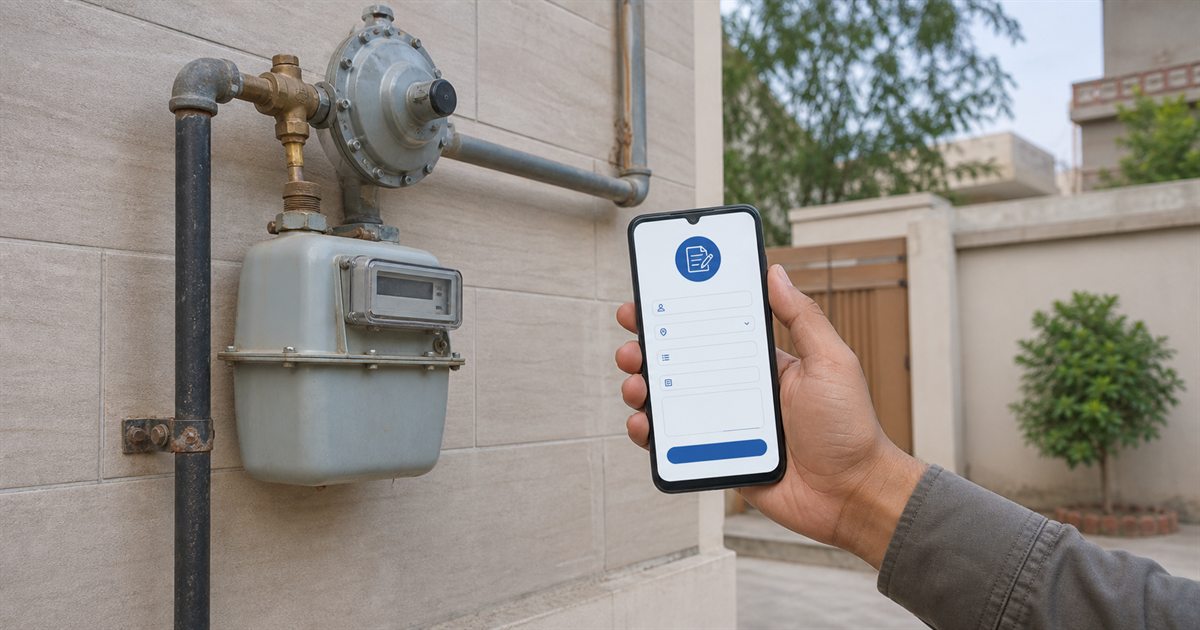
No gas or low gas pressure is frustrating because it stops the kitchen first, and then every rumor in the neighborhood starts sounding possible. The best response is calmer: check whether it is only your home or the whole area, keep basic proof, and file the complaint under the right category.
This guide is for household SNGPL and SSGC consumers dealing with weak flame, no gas at the stove, pressure dropping at certain hours, meter or regulator trouble, and leakage concerns. It is written for practical action, not panic.
Source check
Last checked: June 14, 2026. This guide uses the official SNGPL lodge and track complaint pages, SNGPL low pressure and curtailment notice pages, SSGC complaint timelines, SSGC complaints/feedback form, SSGC important numbers, and SSGC FAQs. Your gas company's official complaint response remains the final authority for account-specific action.
Quick Answer
If there is no gas or the flame is very weak, first decide whether the issue is only inside your home or affecting the street/area. Ask one or two nearby homes, check more than one appliance, and look for any visible meter, regulator, or valve problem without touching sealed parts.
If you smell gas, hear hissing, or suspect leakage near the meter, regulator, or internal line, treat it as a safety issue before anything else. SSGC says consumers should inform the company immediately about gas leakage at 1199, and SSGC also lists 1199 as its round-the-clock call center number. For SNGPL consumers, 1199 is also shown in the official site header.
Short version: weak flame with no gas smell is usually a pressure or supply complaint. Gas smell is an emergency complaint. Do not mix the two in your head.
No Gas vs Low Gas Pressure
These two complaints sound similar, but the company may handle them differently. A no-gas complaint means the appliance is not receiving usable supply. A low-pressure complaint means supply is present, but the flame is too weak or unstable.
| What you notice | What it may indicate | Best first action |
|---|---|---|
| No flame on any burner | Gas stop, blocked meter, regulator issue, dues/disconnection issue, or area supply problem | Check neighbors, bill/payment status, and file a no-gas complaint |
| Flame is very small | Low pressure, meter/regulator restriction, or area pressure drop | Note timing and whether nearby homes have the same problem |
| Pressure drops only at peak hours | Possible area load or network pressure issue | Collect timing pattern and complain as low pressure or low pressure area |
| Gas smell near meter or regulator | Leakage at meter, regulator, or internal line | Call emergency/complaint helpline first |
First Checks Before Filing a Complaint
Before you submit the complaint, take five minutes to make it more useful. A clear complaint is easier to route than a long angry message.
Check safely
- Check more than one burner or appliance.
- Ask nearby homes if their pressure is also low.
- Look for visible meter or regulator damage.
- Check whether the latest bill or payment has an issue.
- Note the time when pressure becomes weak.
Do not test this way
- Do not test a leak with a match or lighter.
- Do not open sealed meter or regulator parts.
- Do not let a private person alter the company-side line.
- Do not ignore gas smell because the flame still works.
If your main issue is a very high bill rather than actual supply pressure, check the bill side separately. Our estimated gas bill or wrong meter reading guide and gas meter problem guide may be more relevant.
When the Whole Area Has Low Pressure or No Gas
If several homes in the same lane have the same issue, your complaint should say that clearly. SNGPL's online complaint form includes complaint types such as Low Pressure, Low Pressure Area, and Gas Stop. That wording matters because it tells the receiver this may not be a single-house meter problem.
SNGPL also publishes official notice pages. At the time of checking, its low pressure notice page showed an area-specific Multan notice with rectification expected in one day, and the curtailment schedule page carried sector-wise information such as CNG, captive power, textile captive power, and general industry rotations. For households, do not rely on forwarded social media timings as final proof. Use official notices and the complaint record.
In the complaint message, write the area pattern in one line: "Low pressure in our street since 7 PM; three nearby houses have the same issue." This is more useful than simply writing "gas nahi aa rahi."
When It May Be a Meter or Regulator Issue
If only your home has no gas or weak pressure, the issue may be near your connection: meter not passing gas, meter block, regulator damage, valve problem, or internal piping after the meter. You do not need to diagnose it perfectly. You just need to describe what you can see without tampering.
SSGC's official complaint timeline page lists Low Pressure due to meter/regulator problem with an estimated resolution of 24 to 36 hours. It also lists Meter does not pass gas with resolution within 2 days in normal cases, and Regulator Damage within 2 days after complaint.
Practical complaint wording
"Gas supply is available in nearby homes, but there is no gas/very low pressure in my house. Please check meter/regulator. Customer/consumer number and meter number are attached."
Leakage and Safety: Handle This First
Low pressure can be annoying. Leakage can be dangerous. If you smell gas near the stove, meter, regulator, pipe, or service valve, stop treating it like a normal pressure complaint.
SSGC lists overhead leak complaints with an estimated resolution of 2 to 3 hours, and its FAQs say customers should immediately inform SSGC about gas leakage at 1199. The same FAQ area also says SSGC's call center 1199 works round the clock, 365 days a year.
SSGC also states that internal piping, house line, and gas installations after the meter are the customer's responsibility. That means you should report leakage quickly and follow official guidance, but repairs inside the house line may not be treated the same way as a company-side meter fault.
How to File an SNGPL Complaint for No Gas or Low Pressure
Use the official SNGPL lodge complaint page. The form asks for complaint category/type, consumer number, mobile number, email, complaint details, nearest landmark, and district. For follow-up, SNGPL also has an official complaint history page where you can use the consumer number and mobile number.
Choose the closest complaint type instead of forcing everything under billing. The SNGPL complaint list includes options such as Low Pressure, Low Pressure Area, Gas Stop, Gas Leakage, Regulator Damage, Meter Block, Leakage at Meter, and Leakage at Regulator.
Before complaining, you can also verify your current bill or consumer number from the SNGPL duplicate bill checker.
How to File an SSGC Complaint for No Gas or Low Pressure
SSGC's complaints/feedback form asks for customer type, customer number, meter number, name, address, city, email, phone, and message. That is enough for a normal low pressure or no gas complaint if there is no immediate leakage danger.
For safety and urgent contact, SSGC's important numbers page lists official WhatsApp numbers 0330-3999179 and 0330-3999178, plus 1199 as the help line. It also lists emergency centers for Karachi, Hyderabad, Larkana, Quetta, and other regions.
If you are an SSGC consumer, verify your account details from the SSGC duplicate bill checker before you submit the complaint. For a broader step-by-step process, use our SNGPL & SSGC complaint online guide.
Proof to Keep Before and After Complaint
You do not need a complicated file. You need clean, basic proof that can be understood by a call center, field team, or customer service center.
- Latest gas bill or duplicate bill screenshot.
- Consumer number for SNGPL, or customer number for SSGC.
- Meter number if visible.
- Photo of meter and regulator area, without touching sealed parts.
- Short note of the timing: morning, evening, all day, or only peak hours.
- Whether neighbors have the same issue.
- Complaint number and date after submission.
- Any reply, SMS, WhatsApp message, or visit note from the company.
If the issue later affects your billing, the complaint number becomes useful. You can connect the supply problem with later consumption, arrears, adjustment, or minimum bill questions.
What Not to Do
Gas complaints can become worse when people try to fix official equipment themselves. Do not open the meter, break seals, remove the regulator, shift the meter, or call an unverified person to modify the company-side connection.
Also do not keep using appliances if you smell gas. A weak flame and a gas smell are not the same problem. Safety comes first; complaint wording comes later.
Safe to do
- Ask neighbors if pressure is also low.
- Take photos from a safe distance.
- Call 1199 for leakage or emergency concerns.
- Track the complaint number.
Do not do
- Test leakage with a flame.
- Repair the regulator yourself.
- Open or shift the meter.
- Ignore repeated low pressure if only your home is affected.
Official References
These official pages were checked while preparing this guide:
- SNGPL Lodge Complaint
- SNGPL Complaint History
- SNGPL Low Pressure Notice
- SNGPL Curtailment Schedule
- SSGC Complaint Types and Estimated Resolution Timelines
- SSGC Complaints and Feedback
- SSGC Important Numbers
- SSGC Customer FAQs
Frequently Asked Questions
What complaint type should I select for low gas pressure?
For SNGPL, choose the closest available type such as Low Pressure, Low Pressure Area, Gas Stop, Meter Block, or Regulator Damage. For SSGC, describe whether the issue is area-wide, only at your meter, or linked with regulator/meter trouble.
What if there is no gas only in my house?
If nearby homes have normal supply, mention that in the complaint. It may point toward a meter, regulator, valve, dues, or internal line issue rather than a whole-area pressure problem.
How long does SSGC take for low pressure issues?
SSGC's timeline page lists low pressure due to meter/regulator problem at 24 to 36 hours and pressure investigation visit within 36 hours. Other categories have their own timelines, so keep the complaint number for follow-up.
Should I call 1199 for low pressure?
Use 1199 immediately if there is gas smell, leakage, or an urgent safety concern. For a normal low-pressure complaint without leakage, you can use the official online complaint form and keep the complaint number.
Can low pressure affect my gas bill?
Low pressure itself does not automatically mean the bill is wrong. But if the issue involves a meter, regulator, internal leakage, or unusual consumption, keep proof and read the meter/billing guides before assuming the bill will adjust on its own.
Related reading
SNGPL & SSGC complaint online
Register, track, and follow up on official gas complaints.
Helpline and emergency guide
Find the right contact route for billing, emergency, and regional support.
Gas meter problem guide
Understand meter, regulator, PUG, leakage, and wrong meter issues.
Gas bill calculator
Estimate a gas bill after you know the meter reading and consumption.
About the author
Shahzaib Qureshi is the public editorial name for SuiGas.com.pk. The site publishes practical, source-backed guides to help Pakistani consumers understand SNGPL and SSGC bills, tariff changes, duplicate bill access, payment options, and common billing issues. SuiGas.com.pk is independent and is not affiliated with SNGPL, SSGC, OGRA, or any government department.