Gas Meter Problem Guide: Fast, Slow, Stuck, Damaged or Leaking
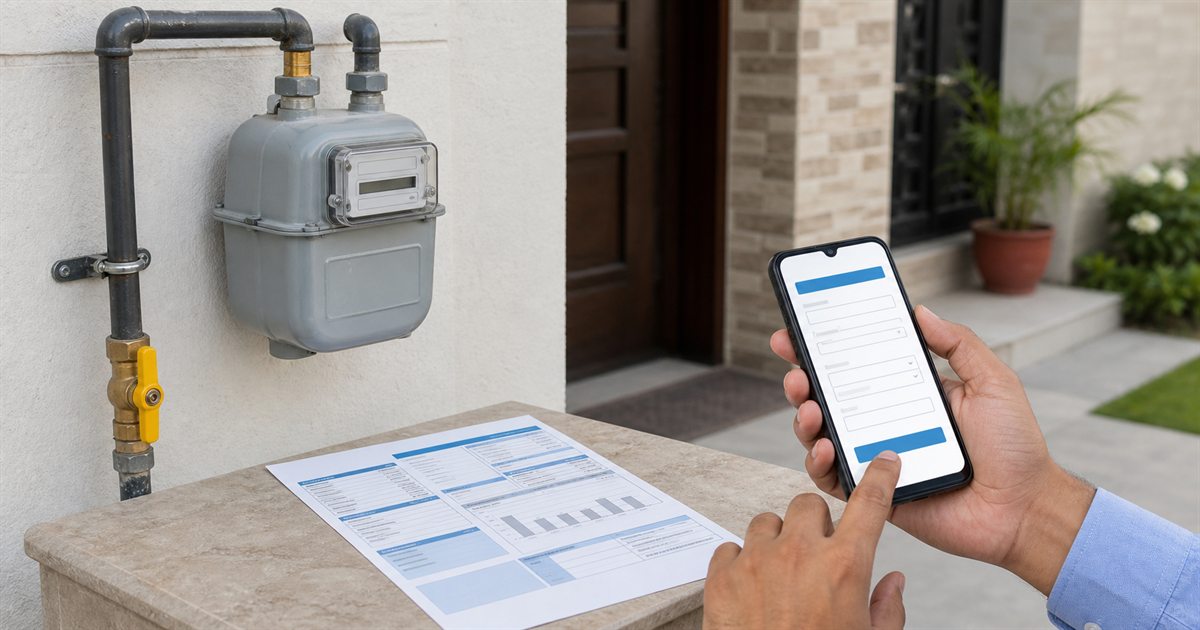
A gas meter problem is one of those issues where people either ignore it for too long, or panic and start touching things they should not touch. The safer middle path is simple: note the symptom, take clean proof, and complain through the official SNGPL or SSGC channel.
This guide covers the common household cases: meter running too fast, meter stopped, PUG or slow meter, wrong meter reading, meter number mismatch, leakage near the meter, regulator damage, and no gas passing through the meter.
Source check
Last checked: June 14, 2026. I checked the official SSGC complaint timelines and FAQs, plus the SNGPL online complaint form. SSGC lists meter reading issues, meter replacement, regulator damage, meter not passing gas, and leakage-related matters in its official complaint categories and timelines. SNGPL also lists complaint types such as meter damage, incorrect meter reading, incorrect meter number, meter stop, meter block, leakage at meter, and regulator damage.
Quick Answer
If your gas meter looks faulty, first compare the meter reading on the bill with the digits on the physical meter. Take clear photos of the meter, meter number, latest bill, and any visible problem. Then lodge a complaint with SNGPL or SSGC using your consumer/customer number.
If you smell gas or see leakage near the meter, treat it as an emergency. Do not test the leak with a flame, do not open the meter, and do not try a local repair. Call the official emergency/complaint number immediately.
First Identify the Type of Meter Problem
The complaint becomes much easier when you name the problem correctly. A vague complaint like "bill zyada aa gaya" may be treated as billing. A specific complaint like "incorrect meter reading" or "leakage at meter" helps the company route it to the right team.
| Problem you see | Likely complaint type | First action |
|---|---|---|
| Bill reading is higher than physical meter | Incorrect meter reading | Photo meter digits and bill reading |
| Meter digits are not moving while gas is being used | Meter stop / PUG / meter block | Stop guessing and file a meter complaint |
| Gas smell near meter, valve, or regulator | Leakage at meter / regulator damage | Call emergency helpline first |
| Meter number on bill does not match installed meter | Incorrect meter number / meter interchange | Photograph bill meter number and installed meter plate |
| No gas supply after the meter | Meter does not pass gas / low pressure / blockage | Check area supply, then complain with details |
If You Suspect the Gas Meter Is Running Fast
A fast meter complaint usually starts with a high bill, but the high bill alone is not enough proof. Before complaining, compare three things: last month's closing reading, this month's bill reading, and today's physical meter reading.
If the physical meter reading is lower than the reading printed on the bill, you may be looking at a wrong reading problem. Read this first: Estimated Gas Bill or Wrong Meter Reading.
If the meter reading is increasing faster than your actual usage feels, check for silent usage and internal leakage after the meter. SSGC states in its FAQs that internal piping, house line, and gas installations after the meter are the customer's responsibility, and excessive billing due to internal leakage may be billed to the customer. That is not a small detail. A tiny leak after the meter can still add units.
Slow, Stopped, or PUG Meter
PUG usually means the meter has not registered consumption properly. SSGC explains that when a meter ceases or omits to register regularly, the company may change the meter and estimate consumption for the PUG period based on the new meter's consumption.
For slow meter cases, SSGC says slow meter charges can be billed after the meter is replaced under the scheduled meter change program and tested in the laboratory. In plain words: do not assume a stopped or slow meter is "free gas." It can turn into an adjustment later.
Practical tip: if your meter has stopped but gas is being used, complain early. A timely complaint gives you a record that you reported the issue instead of hiding it.
Meter Does Not Pass Gas
If there is no gas after the meter, first check whether your neighbors have supply. If the whole area has low pressure or no gas, it may be a supply-side issue. If only your house is affected, it may be a meter, regulator, valve, dues, or internal line issue.
SSGC's official complaint timelines list "Meter does not pass gas" separately, with resolution within 2 days in normal cases. If dues are pending on the customer side, the timeline is shown as 5 working days after clearance of dues.
For low pressure caused by meter or regulator problems, SSGC lists a 24 to 36 hour resolution timeline. These timelines are useful because they tell you when a follow-up is reasonable.
Leakage Near Meter or Damaged Regulator
Gas smell near the meter, service valve, regulator, or pipe is not a normal billing complaint. Treat it as a safety issue first. Move people away from the area, avoid flames and sparks, and call the official emergency/complaint number.
SSGC lists regulator damage with a 2 day resolution timeline, and its FAQs tell customers to inform SSGC immediately about gas leakage at 1199. For SNGPL areas, use the official SNGPL complaint route and choose the closest complaint type such as leakage at meter or regulator damage.
If the leak is in your internal house line after the meter, the company may still guide or inspect, but the repair responsibility can be different from a meter-side fault. Do not let an unverified person break seals, shift the meter, or alter the official line.
Wrong Meter Number or Swapped Meter
Sometimes the issue is not the reading. It is the meter identity. If the meter number printed on your bill does not match the number plate on the installed meter, take photos of both and complain as an incorrect meter number or meter interchange issue.
SSGC's timeline page lists meter interchange cases separately and says resolution is within 2 days after verification from the billing department. SNGPL's online complaint form also includes incorrect meter number as a complaint type.
Proof to Collect Before Complaint
A strong complaint is not long. It is clear. Keep these items ready before you submit:
- Latest gas bill photo or PDF.
- Consumer number for SNGPL, or customer number for SSGC.
- Meter number from the bill and meter plate.
- Clear photo of the physical meter reading.
- Short video if the meter is stuck, making noise, or leaking.
- Previous month bill if the issue is sudden high consumption.
- Payment proof if supply is blocked because of a dues issue.
- Complaint number after submission.
For meter photos, take one close-up of the digits and one wider photo showing the full meter location. This helps if the team asks whether the meter is accessible.
Complaint Routes for SNGPL and SSGC
For SNGPL Consumers
Use the official SNGPL complaint page and choose the nearest complaint type. The SNGPL form currently includes options such as meter damage, incorrect meter reading, incorrect meter number, meter stop, meter block, leakage at meter, and regulator damage. You can also track complaint history from the official tracking page.
Keep your consumer number and mobile number ready. If your issue is about bill amount, first verify your bill here: SNGPL duplicate bill checker.
For SSGC Consumers
SSGC has an online complaints and feedback form that asks for customer number, meter number, name, address, city, email, phone, and message. SSGC also publishes complaint types and estimated timelines, including meter reading issue within 3 working days, special meter reading visit within 3 working days, nil/minimum consumption meter replacement within 2 working days after request, and scheduled meter replacement within 2 working days after request.
If you are in an SSGC area, first verify your bill here: SSGC duplicate bill checker. For step-by-step complaint help, read SNGPL & SSGC Complaint Online.
What Not to Do With a Gas Meter
This part matters. A gas meter is not like a tap washer or a loose switchboard screw. Do not open the meter, remove seals, move the meter, change the regulator yourself, or let a private person modify the company-side connection.
Also avoid waiting for several months if you already know the meter is stopped or the meter number is wrong. The longer you wait, the harder the adjustment discussion becomes.
Safe to do
- Take photos and videos.
- Compare bill reading with meter reading.
- Submit an official complaint.
- Keep the complaint number.
Do not do
- Break meter seals.
- Open or repair the meter yourself.
- Test leakage with a flame.
- Ignore gas smell near the meter.
Official References
These are the official pages checked while preparing this guide:
Frequently Asked Questions
Can a gas meter become fast?
If the bill suddenly looks high, first compare the printed bill reading with the physical meter reading. Also check for internal leakage after the meter. If the reading still looks abnormal, file an official meter complaint instead of assuming the meter is definitely fast.
What is a PUG meter?
In SSGC's wording, PUG is linked with a meter that ceases or omits to register regularly. SSGC says the meter may be changed and consumption for the PUG period may be estimated based on the new meter's consumption.
Who is responsible for leakage after the meter?
SSGC states that internal piping, house line, and gas installations after the meter are the customer's responsibility. If you smell gas, report it immediately and do not delay because the bill and safety risk can both become worse.
How long does SSGC take for meter issues?
SSGC's official timeline page lists different timelines by category. Examples include meter reading issue within 3 working days after request, meter not passing gas within 2 days in normal cases, and regulator damage within 2 days.
Should I complain online or visit the office?
Start with the official online complaint route if available, because it gives you a record. For urgent leakage or safety issues, call the emergency/complaint number first. If the issue is not resolved, use the complaint number for follow-up at the customer service center.
Related reading
Estimated bill or wrong reading
Compare readings and collect proof before filing a billing complaint.
SNGPL & SSGC complaint online
Register, track, and follow up on official gas complaints.
Gas bill charges explained
Understand meter rent, GST, arrears, fixed charges, and total amount due.
Helpline and emergency guide
Find the right contact route for billing, emergency, and regional support.
About the author
Shahzaib Qureshi is the public editorial name for SuiGas.com.pk. The site publishes practical, source-backed guides to help Pakistani consumers understand SNGPL and SSGC bills, tariff changes, duplicate bill access, payment options, and common billing issues. SuiGas.com.pk is independent and is not affiliated with SNGPL, SSGC, OGRA, or any government department.